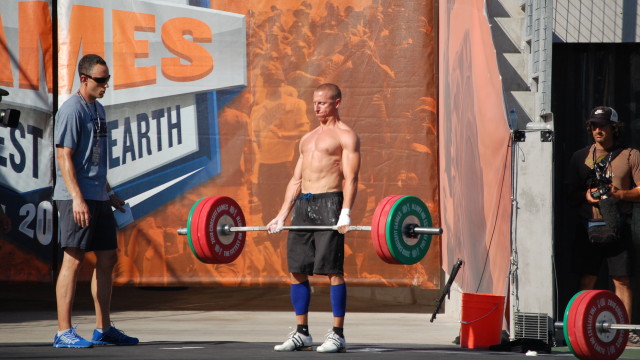
I’ve been missing from the blog scene for several years. Some things have changed, some things have not: I’m still fit, but no longer in my forties; still exercise, but no longer do CrossFit; follow a Paleo Diet, but no longer give Paleo Nutrition lectures. The Paleo lectures are now presented by my husband who is an MD. He has had tremendous success helping his patients achieve optimal health by prescribing The Paleo Diet. He loves to tell folks that he is always asked why an “eye guy” is telling his patients what to eat, to which he responds “because it works”!
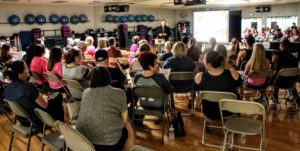
He last presented at our local gym, Zone Health and Fitness, where folks are encouraged to find a “zone” that helps them achieve their health goals: from Body-building, Yoga or Zumba, to Boxing and CrossFit. There literally is something for everyone. Through his last seminar, he is hoping to encourage folks to combine their exercise programs with the Paleo Diet to help them supercharge their results (and be healthier).
The Paleo Diet has not changed since I began following Robb Wolf in 2008, but what has changed is the science behind the diet! In addition to numerous anecdotal success stories from friends and patients, there are now more studies that have shown the Paleo Diet is extremely effective treating patients with health issues such as Diabetes II, Cardiovascular Disease, Hypertension, and Obesity – even more effective than the Mediterranean Diet.
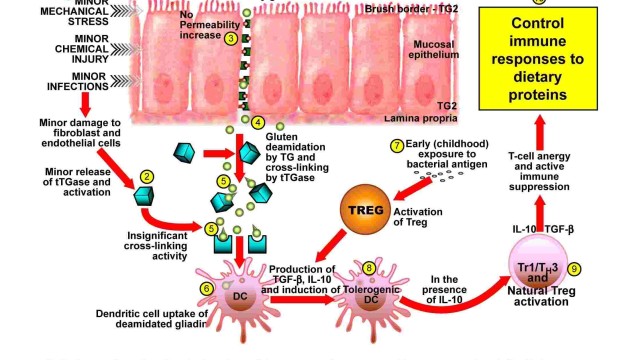
Back in 2008 folks laughed when you brought up the concept of healing your “leaky gut”, but now, thanks to the work of Alessio Fasano, MD and his team at Massachusetts General Hospital at Harvard, we are closer to understanding the mechanism that can lead to gut permeability. Gut permeability and Dysbiosis are now at the heart of our understanding of Auto-Immune Disease, Cancer, and Neuro-Degenerative disease.
The science backing the diet shows that when eating lean meats, veggies (some fruit), and healthy fats and by avoiding all grains, legumes, dairy, and sugar you are able to:
- “Switch-on” Genes for Optimal Health via Epigenetics
- Balance Critical Hormones involved in Regulating Health
- Become Leptin and Insulin Sensitive
- Avoid Foods that lead to Inflammation-Promoting Hyperinsulinemia and Associated Diseases
- Avoid Foods (Lectins, Saponins, Gluten, etc.) that have been clinically shown to lead to Gut Permeability, Inflammation, and Associated Diseases (Autoimmune Disease, Cancer, and Neurological Disease)
- Balance Omega 3 and Omega 6 Fatty Acid Consumption to Avoid Inflammation
As promised to the fifty folks that attended the lecture, I would like to provide some Paleo Diet resources that will easily allow you to implement the diet in your home. As I always say, everything you need to know to “get started”, you can find at robbwolf.com – so that’s where we’ll start:
Paleo Grocery Store Shopping
Wondering how to “Paleo Shop” at the Grocery Store? Check out these series of videos from Specialty Health shopping with Robb Wolf at the grocery store! Lots of great tips (and a quick review of information discussed in the lecture)!
Paleo Blogs, Cookbooks, and Recipes Online
Paleo Magazine’s Top 10 Paleo Blogs
Rubies and Radishes Best Paleo Cookbooks 2014
More Cookbook Recommendations
Free Paleo Recipes online
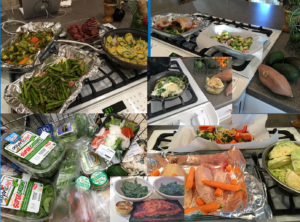
A note on “Paleo Recipes”. I pretty much follow the “Paleo Food Matrix” guide at every meal. Protein, lots of vegetables, and healthy fats. I do this 3 times a day, with no snacks in between. If you are trying to lose weight, you’ll need to keep it simple. Eat real, unprocessed foods – which does not include “gluten free brownies” or “Paleo Bread”. See “Seven Shades of Paleo”
Local Paleo Shopping
Local Buying Clubs
Local Grocery Stores
Video Resources Online
The Florida Institute for Human and Machine Cognition is a not-for-profit research institute that offers free fascinating Evening Lectures open to the public and STEM-Talk Podcast . Top Researchers in their field, from folks who have walked on the moon to Nobel Prize Winners, present interesting information on captivating topics. All of the Evening Lectures are also available online. Some relevant Evening Lectures related to Optimal Health include:
The Paleo Solution Seminar (8hours long) from 2011 – understand the science behind the diet
Sugar: The Bitter Truth, Robert H. Lustig, MD
Minding Your Mitochondria Terry Wahls, MD
Recommended Books
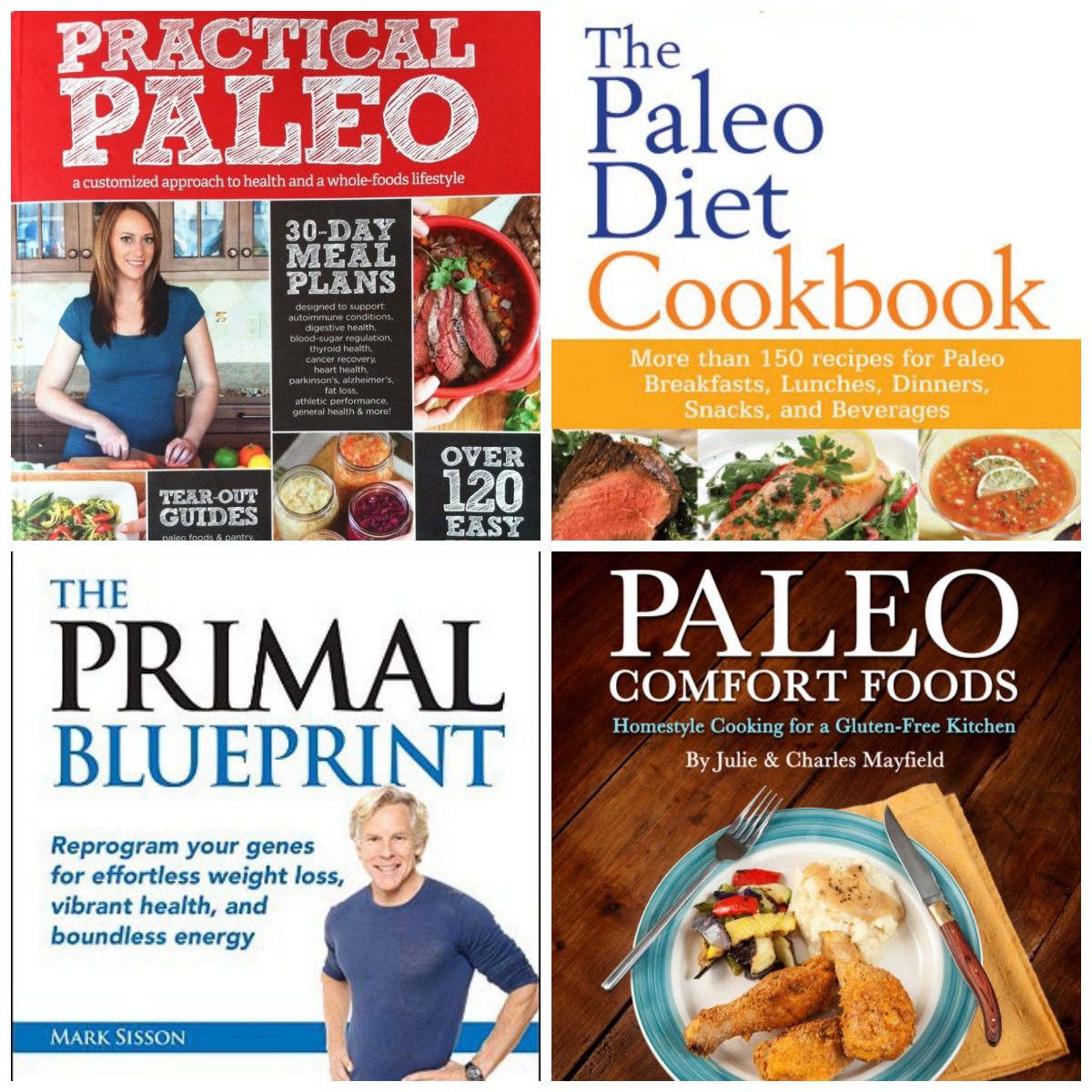
- The Paleo Solution by Robb Wolf
- The Paleo Approach (Autoimmune Disease) by s. Ballantyne, PhD
- The Paleo Diet by Loren Cordain, PhD
- The Paleo Answer by Loren Cordain PhD
- The New Primal Blueprint by Mark Sisson
- The Whole 30 by Melissa Hartwig
- Pratical Paleo by Diane Sanfilippo
- Food and Western Disease by Staffan Lindeberg, PhD
- Why We Get Fat by Gary Taubes
- Good Calories, Bad Calories by Gary Taubes
- Gluten Freedom by Alessio Fasano, MD
- Fat Chance by Robert H. Lustig, MD
- Protein Power Lifeplan by Micheal R. Eades, MD
- Brain Maker by David Perlmutter, MD
- Deep Nutrition by Catherine Shanahan, MD
- Wheat Belly by William Davis, MD
- Lights Out by T.S. Wiley PhD
- In Defense of Food by Michael Pollan
- Ominvore’s Dilemma by Michael Pollan
- Why Zebras dont Get Ulcers by Robert M. Sapolsky
- The Art & Science of Low Carb Living S. Phinney MD, Phd/Jeff Voleck PhD, RD
- Art & Science of Low Carb Performance S. Phinney MD, Phd/J. Voleck PhD, RD
Recommended Documentaries
Do your research
 EvolvingHealthConcepts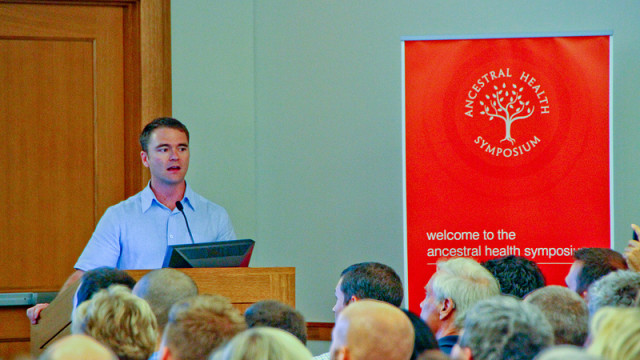
 Ocala Downtown Farmer’s Market
 I met Cheryl at a level 1 CrossFit cert I was coaching several years ago. Then I saw her at another Level 1. Then a CrossFit Nutrition cert...on the other side of the country! Then another! Cheryl has a a seemingly insatiable desire to learn. This curiosity, as powerful as it is takes a back seat to perhaps one thing however and that is Cheryl's desire and capacity to HELP. I think one of the most profound things any of us can do is leave a legacy of helping. I was very excited to hear about her forthcoming blog and will be reading it every day.
 Cheryl, I hope this message finds you well. I think we all at one point had an aha moment about why we do the things we love to do. When I first came upon CrossFit I knew that my world would be turned upside down. I’ve learned so much and am so grateful for the people like you that make my fitness journey such an exciting one. I honestly do what I do and strive to become better at what I do because of genuine people like yourself. Take pride and be passionate about what you do and how you do it. Get comfortable with uncomfortable is a theme we’ve chosen here at OPT, because we believe that getting into this uncomfortable zone unfolds many life lessons. Here’s hoping you teach others about this, make it happen, all the best.
 Cheryl,